
EMS Billing & Support Organizations
Cybersecurity for EMS Billing Companies & Support Organizations
EMS billing companies, hospital-based EMS programs, and regional support organizations sit at the intersection of healthcare data, claims processing, and financial continuity. That makes them high-value targets and high-impact points of failure.
Iron Rod Security helps these organizations understand where PHI concentration, clearinghouse dependencies, BAAs, and integration sprawl create risk that can ripple across every client agency they support.
Why this environment is uniquely exposed
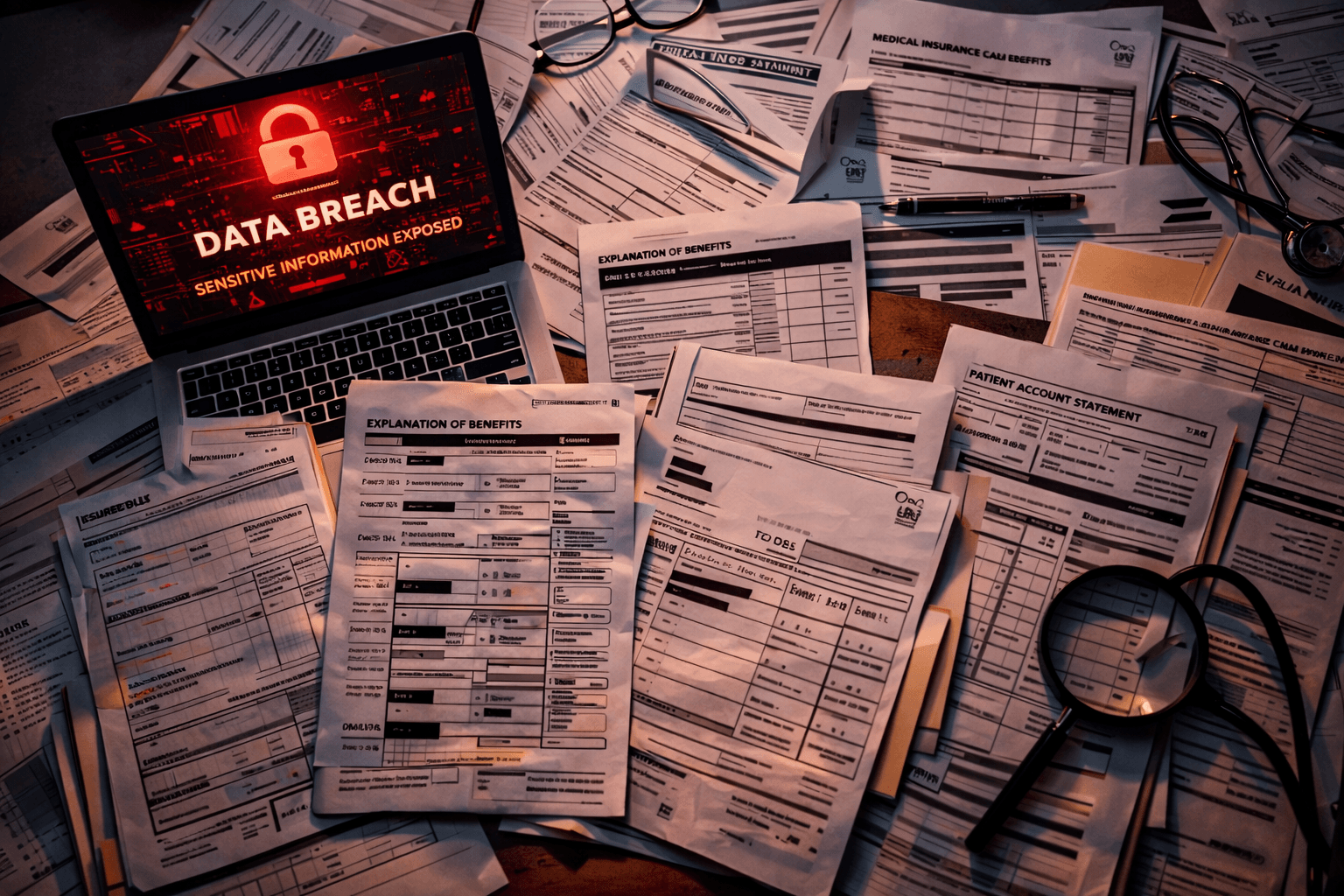
Billing and support organizations rarely have the public visibility of a field-response agency, but they often concentrate far more sensitive information in one place. A single workflow can tie together patient demographics, diagnoses, payer data, claim status, and multiple external systems. That creates scale for both operational disruption and regulatory fallout.
Risks for billing & support organizations
Massive PHI exposure
Billing companies handle patient demographics, diagnoses, insurance data, and other regulated information at scale. One incident can expose thousands of records across multiple agencies.
Ransomware targeting financial systems
Billing workflows are attractive ransomware targets because they affect both data access and agency revenue continuity.
Client agency liability
Under HIPAA and contract obligations, your security posture directly affects the agencies you support. Their exposure often depends on your controls and your vendor choices.
Complex compliance requirements
HIPAA, state privacy rules, payer requirements, and contractual obligations create overlapping expectations where gaps often hide between systems and teams.
Third-party integration risk
Every link to a clearinghouse, payer portal, ePCR platform, analytics tool, or subcontractor creates another place where compromise or weak controls can spread.
How we help billing & support organizations
Frequently asked
Why are EMS billing and support organizations attractive targets?
These organizations often process large volumes of PHI, claims data, payer information, and financial records across multiple client agencies. That concentration makes them attractive for ransomware, credential theft, and third-party compromise.
How does vendor risk affect HIPAA exposure here?
Billing and support operations typically depend on clearinghouses, payer portals, ePCR inputs, and subcontracted services. A weak integration, incomplete BAA review, or poorly understood vendor control boundary can expand HIPAA exposure across every client relationship tied to that workflow.
Can a billing-system incident affect the EMS agencies you serve?
Yes. A compromise can interrupt reimbursement, expose shared patient data, and trigger downstream operational and compliance pain for multiple agencies at once. That is why security has to be evaluated as both a data and continuity issue.